
Bajaj Finance was the top gainer in the Sensex pack, surging around 5 per cent, followed by Bajaj Finserv, HDFC, Tech Mahindra, HDFC Bank, UltraTech Cement and Tata Steel. On the other hand, HUL, Nestle India, ICICI Bank, Axis Bank, SBI, TCS and ITC were among the laggards.

Although net inflows into equity mutual funds deteriorated month-on-month (M-o-M) in March 2024 to Rs 22,576 crore (excluding Hybrid), down 15 per cent M-o-M (up 12 per cent Y-o-Y), asset management companies (AMCs) had a great year with robust growth in assets under management (AUMs). AMCs are likely to report strong PAT growth (30-40 per cent Y-o-Y) in Q4FY24 on the back of AUM growth. In Q4FY24, domestic mutual fund (MF) industry's quarterly average AUM grew by 34 per cent Y-o-Y and 10 per cent quarter-on-quarter (Q-o-Q) to Rs 54 trillion ($652 billion).

Brokerages expect a further slowdown in Indian firms' revenue and earnings growth in Q4FY25, following low single-digit growth in the preceding three quarters, as factors like weak consumer demand and credit growth linger on.
HDFC was the top gainer in the Sensex pack, surging over 5 per cent, followed by M&M, L&T, Tata Steel, Bajaj Finance, HDFC Bank and Sun Pharma. On the other hand, IndusInd Bank, Hero MotoCorp, Bharti Airtel and Asian Paints finished in the red.
People's Bank of China's holding in HDFC stood at 1,74,92,909 equity shares, accounting for 1.01 per cent of the share capital of the company as of March-end, as per exchange data.

Benchmark BSE Sensex tanked 824 points to settle at a fresh seven-month low on Monday following heavy selling in IT and oil & gas shares amid weak global trends. The 30-share BSE barometer plunged by 824.29 points or 1.08 per cent to close at 75,366.17 with 23 of its constituents ending lower and seven with gains. During the day the index moved between a high of 75,925.72 and a low of 75,267.59.
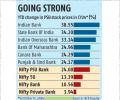
Stock Market News today, PSU banks: The year 2024 was a roller-coaster ride for Indian stock markets, marked by volatility driven by the Lok Sabha elections, Union Budget 2024, a slowdown in corporate earnings, and sticky inflation. Geopolitical tensions - particularly between Israel and Iran in West Asia - along with various stimulus announcements by China and yen carry trade rocked the equity markets throughout the year.

Given gains in equity prices, it is not surprising that the earnings of asset management companies (AMCs) are growing quicker. The earnings momentum looks set to continue. Good fund performances have thus led to AMC earnings upgrades although valuations are high. Recent market performance and net flow trends have led to earnings upgrades by between 3-8 per cent for FY25-27.

'We have opened 100 branches in the last one and a half years. Our manpower is also in place.'

All Sensex shares, except for Hindustan Unilever, ended with losses. Tata Steel fell the most by 7.33 per cent followed by Larsen & Toubro which cracked 5.78 per cent. Tata Motors, Kotak Mahindra Bank, Mahindra & Mahindra, Infosys, Axis Bank, ICICI Bank, HCL Technologies and HDFC Bank were the other big laggards. Hindustan Unilever ended marginally higher.

Among the 30 Sensex firms, Bajaj Finance, Mahindra & Mahindra, NTPC, Power Grid, Bajaj Finserv, Bharti Airtel and Tata Consultancy Services were the biggest gainers. In contrast, Tata Motors, HDFC Bank, Reliance Industries, Tech Mahindra and ITC were among the laggards.
Benchmark Sensex advanced 110 points in a choppy trade on Wednesday, extending its gains to the fourth day in a row helped by buying in HDFC Bank, ICICI Bank and fresh foreign fund inflows. The 30-share barometer rose by 110.58 points or 0.14 per cent to settle at 80,956.33 with 14 of its constituents ending with gains and 16 stocks with losses. During the day, it jumped 399.64 points or 0.49 per cent to 81,245.39 and dipped to a low of 80,630.53.

ITC, State Bank of India, HCL Technologies and IndusInd Bank were the other big laggards. NTPC, UltraTech Cement, HDFC Bank and Mahindra & Mahindra were among the gainers.

From the Sensex pack, Tata Motors, Asian Paints, HDFC Bank, JSW Steel, Hindustan Unilever, Nestle and Titan were the major laggards. In contrast, Bharti Airtel, Power Grid, NTPC, Mahindra & Mahindra, Larsen & Toubro and HCL Technologies were among the major gainers.

From the 30-share Sensex pack, Mahindra & Mahindra, Larsen & Toubro, State Bank of India, Reliance Industries, ICICI Bank and Bajaj Finance were the biggest gainers. JSW Steel and Infosys were the laggards.

From the Sensex pack, Tech Mahindra, HDFC Bank, Larsen & Toubro, ITC, Infosys, IndusInd Bank, Kotak Mahindra Bank, Titan and HCL Technologies were among the gainers. Maruti Suzuki India, Tata Steel, Bajaj Finance, UltraTech Cement, Nestle India, Axis Bank and Tata Consultancy Services (TCS) were among the laggards.

HDFC Bank was the top gainer in the Sensex pack, rallying nearly 4 per cent, Infosys jumped over 3 per cent. Sun Pharma, NTPC, HCL Tech, Tech Mahindra, HDFC, RIL and TCS also closed with gains. On the other hand, Axis Bank was the top laggard, followed by ITC, ICICI Bank, IndusInd Bank and Maruti Suzuki.

From the 30-share pack, Adani Port, Bharti Airtel, Asian Paints, IndusInd Bank, Bajaj Finserv, Reliance Industries, Infosys, UltraTech Cement, HDFC Bank, HCL Technologies and ICICI Bank were among the laggards. Tata Motors, Axis Bank, Maruti, Larsen & Toubro, ITC and Tata Steel were among the gainers.

From the 30-share pack, Hindustan Unilever, Tata Motors, Axis Bank, Nestle India, Asian Paints, ITC, Reliance Industries, Mahindra & Mahindra, IndusInd Bank and State Bank of India were among the laggards. Larsen & Toubro, Tata Steel, JSW Steel, HDFC Bank, Adani Ports, Kotak Mahindra Bank, Bharti Airtel and PowerGrid were among the gainers.
If the entire amount of Rs 24,000 crore is raised, then it would be the biggest fundraising exercise by any Indian company ever.
The combined market valuation of eight of the top-10 most valued firms surged Rs 1,21,270.83 crore last week, with Reliance Industries becoming the biggest gainer, in line with an outstanding rally in benchmark equity indices. Last week, the BSE benchmark jumped 1,027.54 points or 1.21 per cent. The BSE Sensex hit its record high of 85,978.25 on Friday.
Benchmark Sensex bounced back from early lows and closed higher by nearly 376 points on Monday, snapping its four-day losing run following a rally in blue-chips ICICI Bank, HUL and HDFC Bank. The 30-share BSE Sensex rebounded 375.61 points or 0.46 per cent to settle at 81,559.54. The index opened lower and hit a low of 80,895.05 points in early trade.
From the Sensex basket, PowerGrid, Bharti Airtel, Wipro, HDFC Bank, Kotak Mahindra Bank, UltraTech Cement, Asian Paints, Infosys and Reliance Industries were the major laggards. Bajaj Finance, NTPC, Larsen & Toubro, Axis Bank, Tata Motors, IndusInd Bank and Bajaj Finserv were among the gainers.

Experts say investors should stay patient and stay invested in mutual funds.

The last time this happened was in 1996.

SBI was the top loser in the Sensex pack, shedding around 3 per cent, followed by Bajaj Finserv, Tech Mahindra, Sun Pharma, Bajaj Finance and Axis Bank. Nifty fell 143.60 points to 17,873.60.

Ask rediffGURU and PF expert Nitin Narkhede your mutual fund and personal finance-related questions.

Titan, Nestle, Hindustan Unilever, State Bank of India, Larsen & Toubro, ITC, Zomato and Bajaj Finserv were also among the laggards. Adani Ports, IndusInd Bank, Tata Motors and HDFC Bank were among the major gainers.
Equity benchmark indices Sensex and Nifty settled higher on Thursday, powered by a rally in banking and power stocks amid a largely firm trend in global markets. The stock markets mostly traded range-bound in the absence of any major trigger and persistent foreign capital outflows, traders said. The 30-share BSE Sensex rose 144.31 points, or 0.18 per cent, to settle at 81,611.41.
Zomato emerged as the biggest gainer, followed by Reliance, Nestle, Asian Paints and Power Grid.

The share of life insurance policies sold by top private insurers in the rural areas declined in the financial year 2023-24 (FY24) compared to previous year. SBI Life, HDFC Life, ICICI Prudential Life Insurance -- the top three players from the private sector-- have seen the share of insurance policies sold in rural areas drop in FY24 as compared to the previous financial year. Max Life Insurance's share of rural policies recorded an increase in FY24.

'Returns can be very variable in equity markets.' 'That is why I tell small investors don't put 100 per cent of your money in equities, even if you are young.'

Among the 30 Sensex firms, Bajaj Finance, Infosys, Adani Ports, JSW Steel, HCL Tech, Bharti Airtel, IndusInd Bank and Tata Motors were the biggest laggards. ICICI Bank, Bajaj Finserv, Titan, Nestle and HDFC Bank were among the gainers.
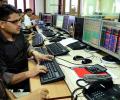
Among the Sensex firms, Titan, Asian Paints, ITC, Hindustan Unilever, Nestle India, Bajaj Finserv and Bharti Airtel were among the gainers. In contrast, UltraTech Cement, Tech Mahindra, Tata Steel, Power Grid, HDFC Bank, HCL Technology, State Bank of India and ICICI Bank were the laggards.
From the 30 Sensex firms, Larsen & Toubro, Reliance Industries, Axis Bank, Asian Paints, Tata Motors, Bajaj Finance, Maruti, Bajaj Finserv, Kotak Mahindra Bank, Titan, Adani Ports and HDFC Bank were the major laggards. JSW Steel emerged as the only gainer.
From the Sensex stocks, Maruti Suzuki India, Tata Motors, JSW Steel, Larsen & Toubro, Tata Steel, Mahindra and Mahindra, Tata Consultancy Services, Tech Mahindra, HCL Technologies and Infosys were the laggards. HDFC Bank, Sun Pharmaceuticals, Kotak Mahindra Bank, Nestle India and Asian Paints were among the gainers.

From the 30 Sensex pack, ICICI Bank climbed 3 per cent after the private sector lender posted a 14.5 per cent growth in standalone profit to Rs 11,746 crore for the second quarter ended September 2024. JSW Steel, Mahindra & Mahindra, Adani Ports, Tata Steel, Sun Pharma, Hindustan Unilever, Tata Motors and State Bank of India were the other big gainers from the pack.

From the 30 Sensex firms, Mahindra & Mahindra, Infosys, Kotak Mahindra Bank, JSW Steel, Adani Ports, Tata Motors, Adani Ports, ITC and Titan were the major laggards. HDFC Bank, Bharti Airtel, Reliance Industries, Asian Paints and State Bank of India were the gainers.

Privately, many bankers admit their immediate goal is not growth but slowing the erosion of Casa deposits, reveals Tamal Bandyopadhyay.

From the 30-share Sensex pack, Hindustan Unilever, NTPC, Nestle, IndusInd Bank, Power Grid, Adani Ports, Tata Motors and Bajaj Finserv were the major laggards. Reliance Industries, Kotak Mahindra Bank, Tech Mahindra, Mahindra & Mahindra and HDFC Bank were among the gainers.
